Method
We remove the sea urchins – and give the forest a second chance.
Kelp forests can come back once the grazing pressure from sea urchins is lifted. We do it with local people, local knowledge and documented methods.
The problem
Where sea urchins graze, the forest turns to desert.
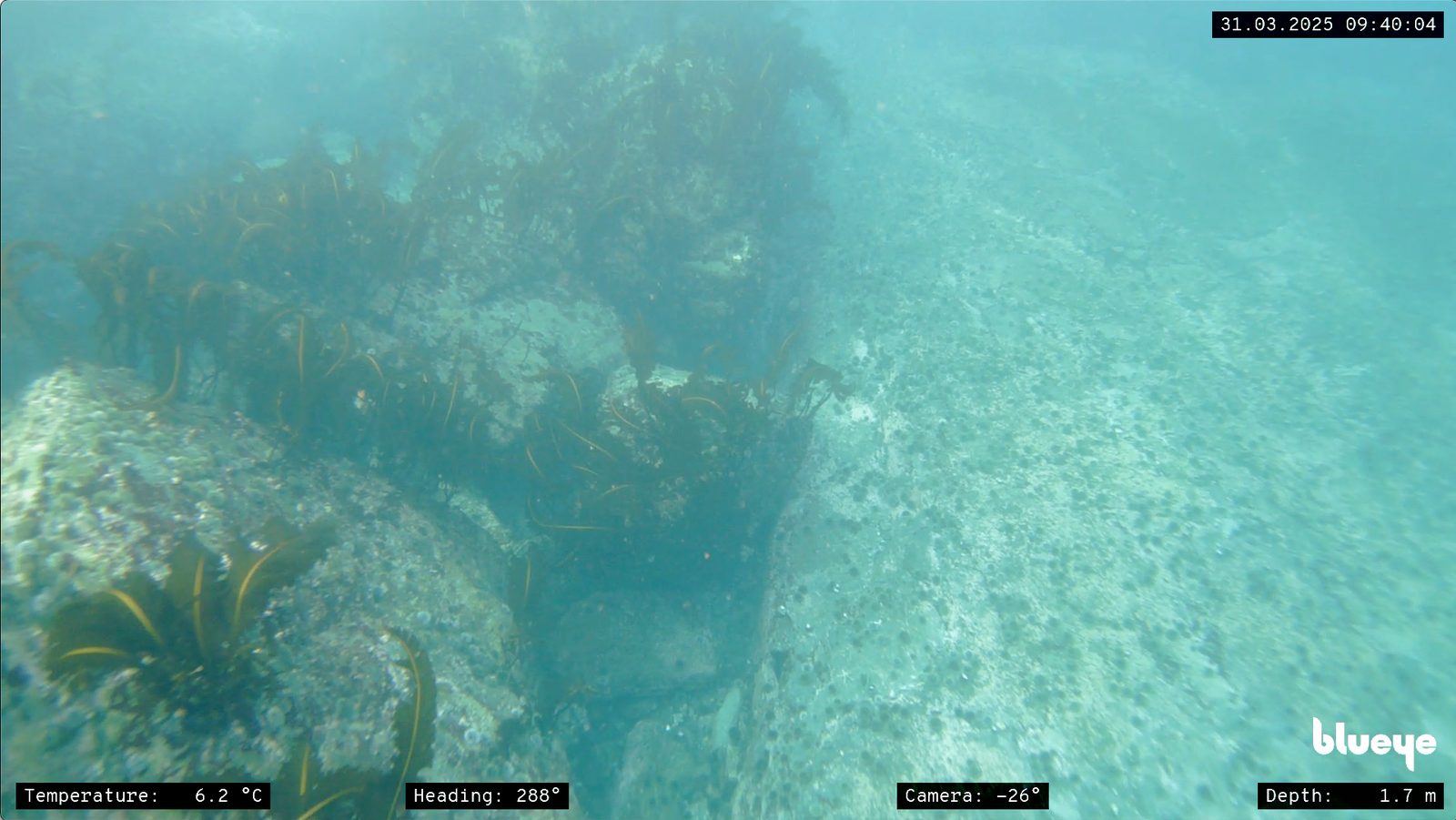
Large areas along the northern coast have gone from living kelp forest to urchin barren. Once there are enough sea urchins, they graze the kelp away and keep the seabed bare – year after year.
That means less shelter and food for fish and other species, a poorer state of nature in the fjord and less CO₂ uptake. Around 5,000 km² of the Norwegian coast is urchin barren, most of it in Northern Norway.
The barren does not heal by itself. Without kelp, the animals that eat sea urchins disappear too, and the seabed can stay bare for decades. For the forest to come back, the number of urchins has to come down.
How we work
Four steps – from map to new forest.
Map
Underwater drones (ROV), cameras and fieldwork show where the urchins are densest and where the gains are greatest.
Remove
Sea urchins are removed in defined areas using traps. Local fishers can take part in the work.
Measure
We measure before and after: how much kelp comes back, and how fast.
Document and share
Costs, methods and results are documented and shared with people in Båtsfjord and across Norway.
Traps and ROV
An effective, proven method.
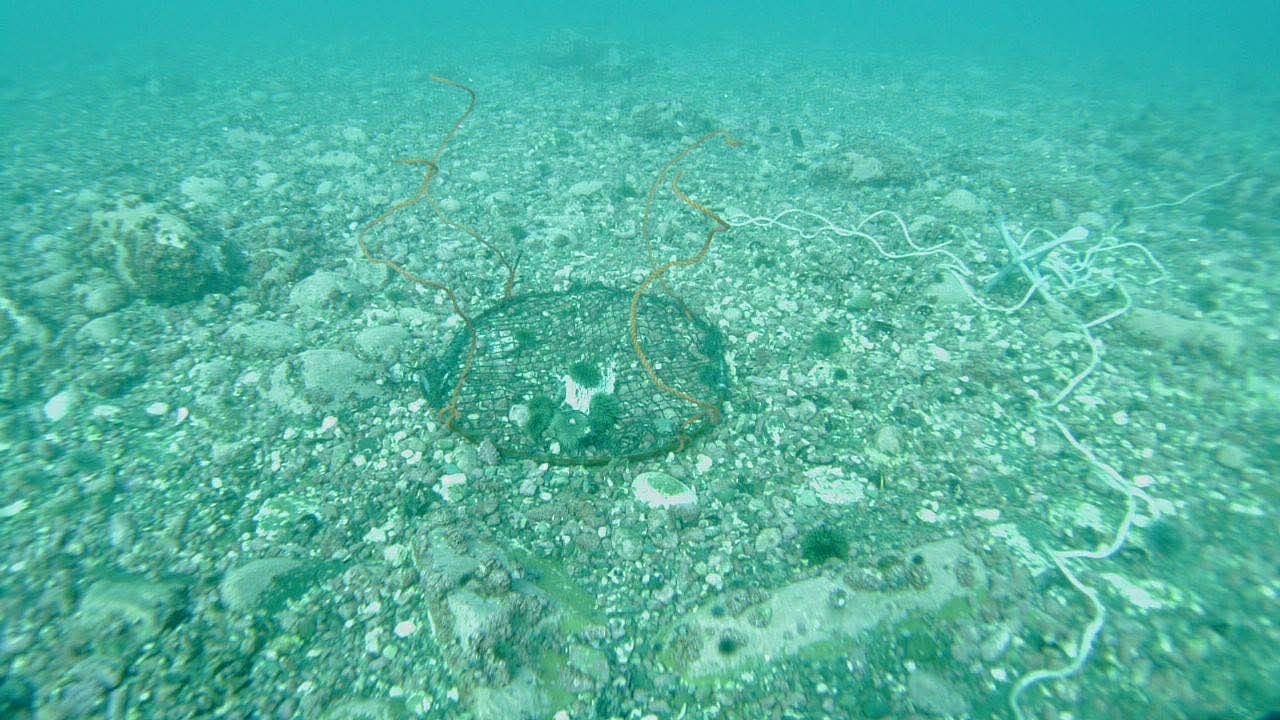
We use round, flat traps that lie on the seabed and fold shut when hauled up. Trials since 2002 show that this type catches best. They are light, take little space on board, and are set and hauled with ordinary fishing boats.
We are also looking at using underwater drones (ROV), other types of traps – or a combination.
The work brings activity to the harbour: boats, people and knowledge from the fjord – and the urchins can become a raw material instead of waste.
Next
See where we start.
The pilot project in Båtsfjorden and Syltefjorden is where we put the method to work first.
Our projectsContact us